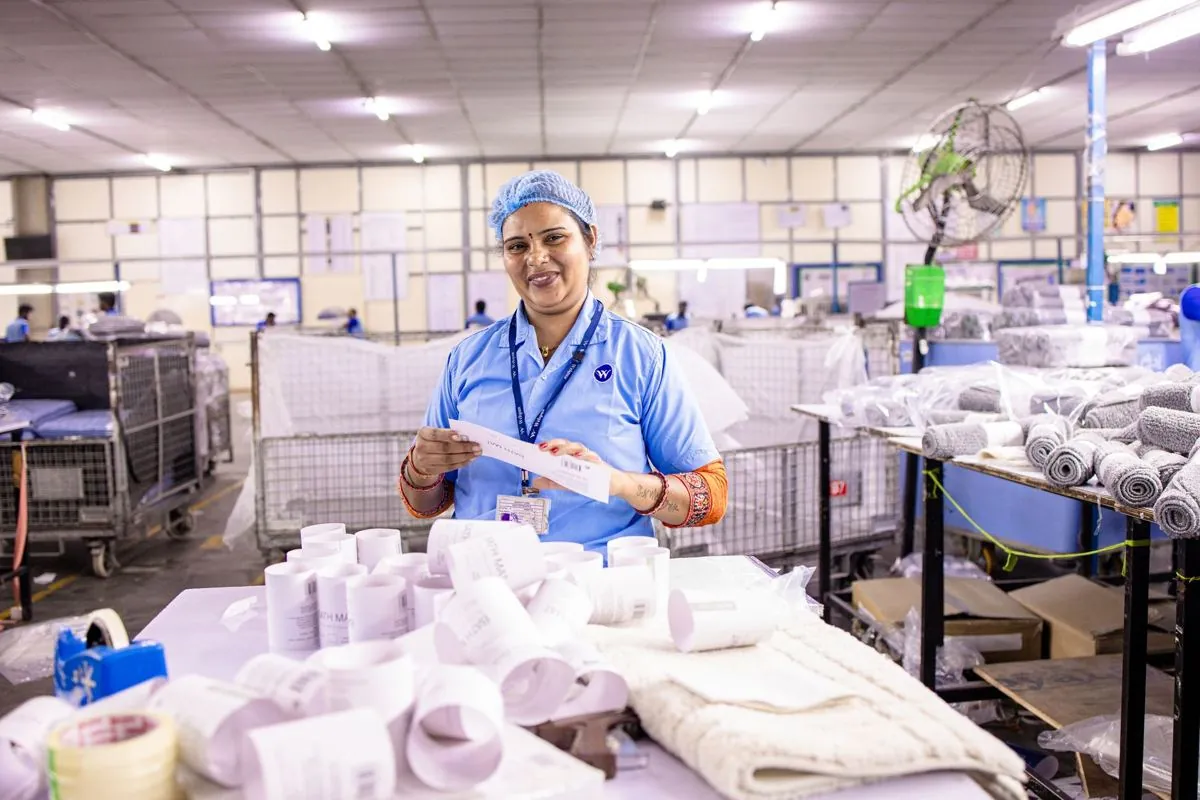
The logbook nobody wants to fill in on a Friday evening
There's a delivery on the loading bay, the supplier has changed the batch compared with the order, the delivery note (DDT) says one thing and the label on the pallet says another, and someone has to stop, look, and write it down
Then there are the expiry dates to record, the temperatures to note, the certificates the supplier sends when he remembers to, and the documents to file in the right folder under the right name, always the same steps, every day, even when production is running flat out
- Incoming batches to record, with supplier, quantity and date, and the link to what you make out of them
- Expiry dates to write down and keep an eye on before they turn into a problem in the warehouse
- Supplier documents to collect, to chase up, and to file where they can be found again
- Control records, the ones you have to be able to show months later
- Delivery notes to read and to copy across, often by hand, often twice
Here you aren't choosing to be faster, you're doing something you have to do
That's the difference from other industries, elsewhere you can put a record off, or decide that nobody needs it any more, here you can't
You have to keep the traceability because the law asks you to, not because it suits you, so the work can't be removed and it can't be pushed to tomorrow, the only thing you can really do is stop having a person do it
An automation doesn't get tired at six in the evening, it doesn't skip a field because the truck is waiting, and it doesn't decide on its own to write that check down later
Examples of what the system can do in the middle of that work
These are examples of what the system can do, not jobs already delivered to some company, we started recently and we'd rather say it plainly
- It reads the supplier's delivery note in PDF, pulls out batch, quantity and date, and records them in the warehouse software you already use, opening the screens the way you would
- It checks that the batch that arrived is the one on the order, and when the two don't match it stops and sets the case aside for you, instead of writing down something at random
- It enters the control records into the traceability software you already use, following the sequence you defined, field by field
- It keeps an eye on supplier documents, sees which ones are missing or about to expire, and prepares the list to chase up
- It files the certificates under the name and in the folder you already use, without someone having to do it at the end of the day
If the program you use has no direct integration nothing changes, the system works on the screen, the way you would, and it's exactly the case it was built for
When an inspection turns up, you need the log, not your memory
An automation keeps track of what it did and when, not because we added it as a feature, but because that's how it works by construction, every step leaves a line with the time, the value it read and the value it wrote
When someone comes to look, that line is already there, and it has one simple advantage, a machine doesn't forget to write things down, and it doesn't rewrite the logbook in the evening to tidy up the week
What stays with the people who know the product
The judgement stays yours, whether goods don't look right and whether a batch should be held back until you understand what happened, those are decisions you pay a person to make, and no program should be making them in their place
The system does the mechanical steps and brings you only the cases that don't add up, at the start it's worth keeping it on a tight rein, with more confirmations, then you widen it on the steps you have seen run well
Why it really pays off
The hours that go into copying things out today go back to the real work, and the data gets written down when the thing happens, not from memory two days later, which is exactly when errors are born
You don't have to replace your software, the system uses what you already have, the way an operator in front of the screen would, and if you want an idea of what that's worth, you can try putting a number on the hours that repetitive work takes from you every month
Where we start
I'm Antonio Fuccillo, I write the automations myself and I answer the messages myself, so you're talking to the person who does the work, with nobody in between
You show me a procedure, a screen recording is fine, I look at whether it can be done and I tell you the monthly fee before we start, that figure stays in writing and you approve every addition yourself, and if you want to see the way we work first there's the page on how it works