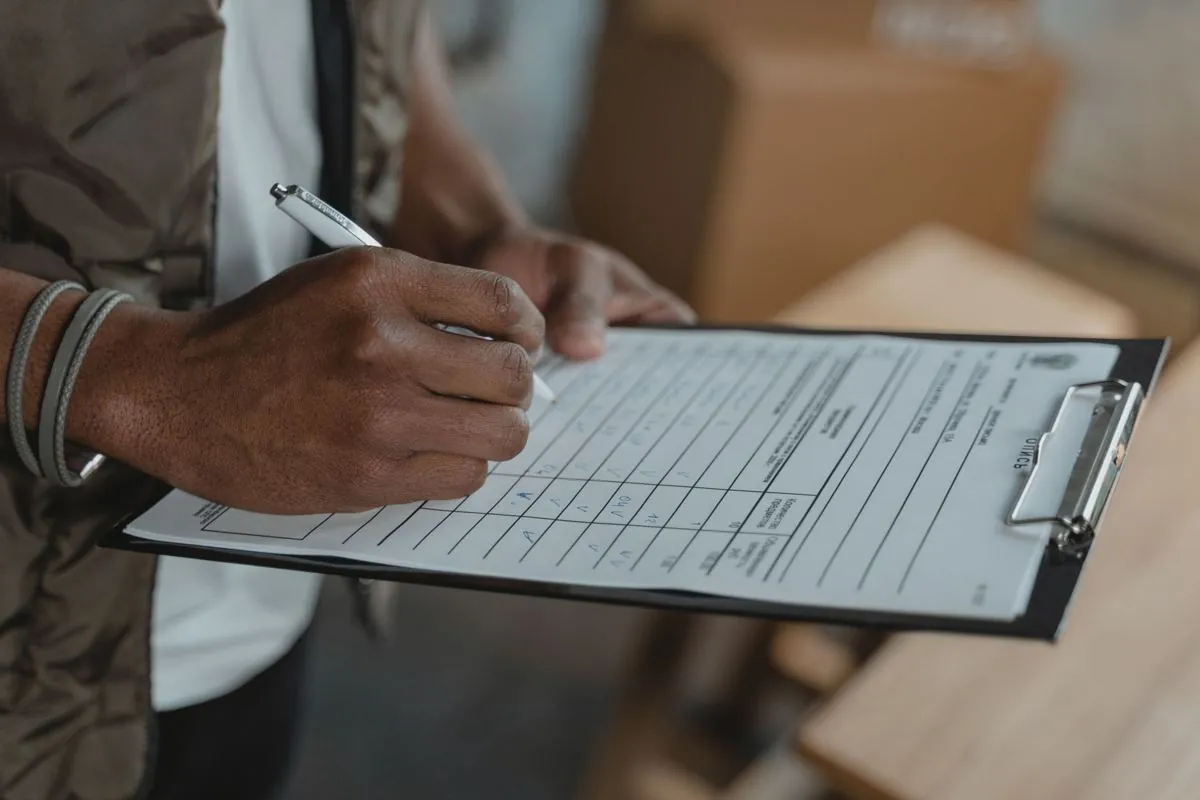
Friday afternoon, and there are twenty sheets on the table
The technicians come back, each one puts down his job sheets, some are written well, some are a crooked photo that arrived from a phone, and one stayed in the van until Monday, then someone in the office sits down and does them all again, one at a time, inside the job management software, with the right customer, the parts used, the hours, the travel
It's work that has nothing to do with the trade, the technician has already done the job and already written it up, in the office it gets written a second time because between the paper and the program there is no bridge
Where the hours go, and where the money goes
You know the arithmetic better than I do, a job done on Monday gets invoiced at the end of the month if you're lucky, otherwise it slips to the month after, and meanwhile you have already paid the technician who did it, a job sheet that never gets into the system is work of yours that left the workshop and never reached an invoice
- Job sheets to retype, with data the technician has already written once
- The spare parts used, to take out of the warehouse and put on the right job
- The hours and the kilometers to collect, which then become the invoice line
- Maintenance contracts with scheduled visits to plan, and the due date you remember once it has gone by
- The customers' portals, where the report has to be uploaded in the format they want
- The documents to dig out when a customer calls and disputes a job from six months ago
What the system can do in your place
Below are examples of what the system can do, not work already delivered to a service company, the business started recently and I'd rather write it myself than leave you to work it out
- It reads the job sheet, whether it's a PDF, a photo or a form filled in by the technician, pulls out customer, date, hours, description and parts, and opens the job management software filling in the fields the way the person in the office would
- It checks that the part declared exists in the warehouse and that the hours stay inside what the contract allows, and if a piece of data doesn't add up it stops instead of making it up
- It looks at the maintenance contracts, pulls out the visits falling due in the coming weeks and prepares the list to put in the schedule
- It compares the jobs closed with the ones already invoiced, and tells you which ones have been left behind
- Where the customer's portal allows it, it logs in with your credentials, fills in the screens the way an operator would and files the receipt where you keep it
The job management software isn't touched, it stays as it is, the system works inside it from the screens, so it works even if the program has no technical integration at all, and it's the part where I'm most useful, if the side with the customers' portals interests you I go into it in web portal automation
What stays with the people who do the work
The diagnosis stays with the technician, the decision on what to invoice and what not to stays with you, and so does the relationship with the customer, the system does the mechanical steps, and when it meets a case it has never seen, a part written down badly, a customer it can't find, it stops and leaves it aside for you, with the reason written down
At the start it's worth keeping it on a short leash, with more confirmations, then it widens out on the cases you have watched run well for a few weeks
Why it pays off for you
The hours that go into retyping today come back free, and the road between the job and the invoice gets shorter, because the job sheet goes into the system when it arrives and not when someone finds the time, you can do the sums yourself with the savings calculation
I'm Antonio Fuccillo, I write the automations myself and I answer the messages myself, you show me how you work now, a screen recording is fine, I look at whether it can be done and I tell you the monthly fee before we start, with no large upfront cost