Underneath the acronym there's a single sentence
RPA stands for Robotic Process Automation, and it means something you can explain in one line, having a program do the clicks and the typing a person does in front of the screen today
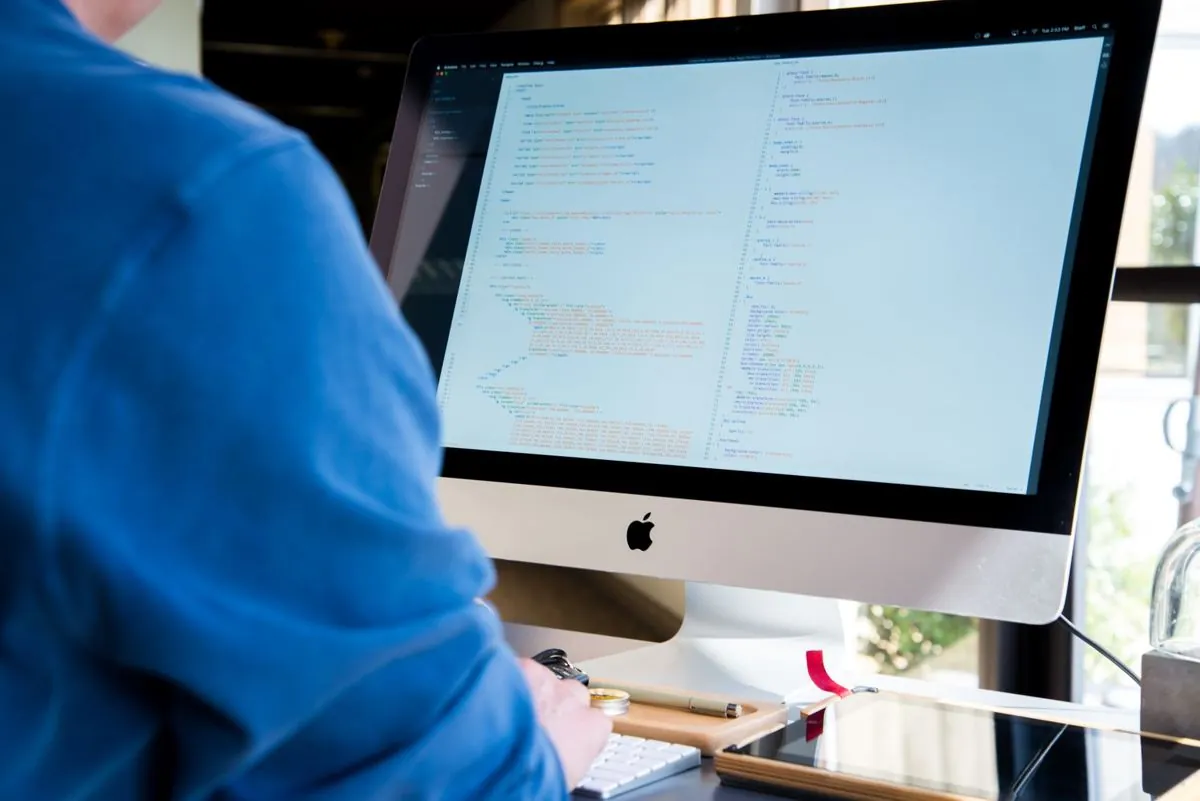
There is no robot with arms, and there is no brain doing any reasoning, there is a piece of software that opens the same screens an operator opens and hits the keys in the order you told it
When somebody says RPA to you in a presentation, this is what they're saying, the rest is packaging
The idea is old, what has changed is how well it holds up
Having a program drive the screens is nothing new, it's been done for a long time, and anybody who has worked in an office over the past years has seen some homemade version of the same thing, maybe a macro that did half the job until it broke
What has changed isn't the idea, it's that today a system of that kind copes much better with the awkward cases, the window that takes three seconds longer to open, the field that shifts by two pixels, the document that arrives written another way, and when it really can't make sense of what it sees it stops instead of guessing
Those products are made for large companies
Most of the products sold under the RPA acronym were built for companies with hundreds of people, and it shows, licenses to renew for every workstation that runs, a platform to learn, people inside who manage it, a project that goes on and has to be governed
In that setting it makes perfect sense, because there are dozens of different processes and you need a single place to keep them
In a company of ten people with two or three repetitive jobs to get out of the way, that same structure is a weight you pay for without using, you find yourself maintaining the tool instead of the result
In most small cases a system built around that one process is enough, one that does that thing and does it always the same way
What changes for you
If what interests you is the result and not the word, the right question isn't whether you need RPA, it's whether the work you want to take away has volume, has rules that can be written down, and doesn't call for a judgment on every case
Muffin Suite works on exactly this ground, automations that open the screens of the program you already use, even when it has no direct integration at all, without you having to replace your software and without a new platform to learn
Where a direct integration does exist, that's the one we use, because it's more solid, and before taking it for granted that the screens are the only way, read what an API is and why your business software may not have one