The choice everything else rests on
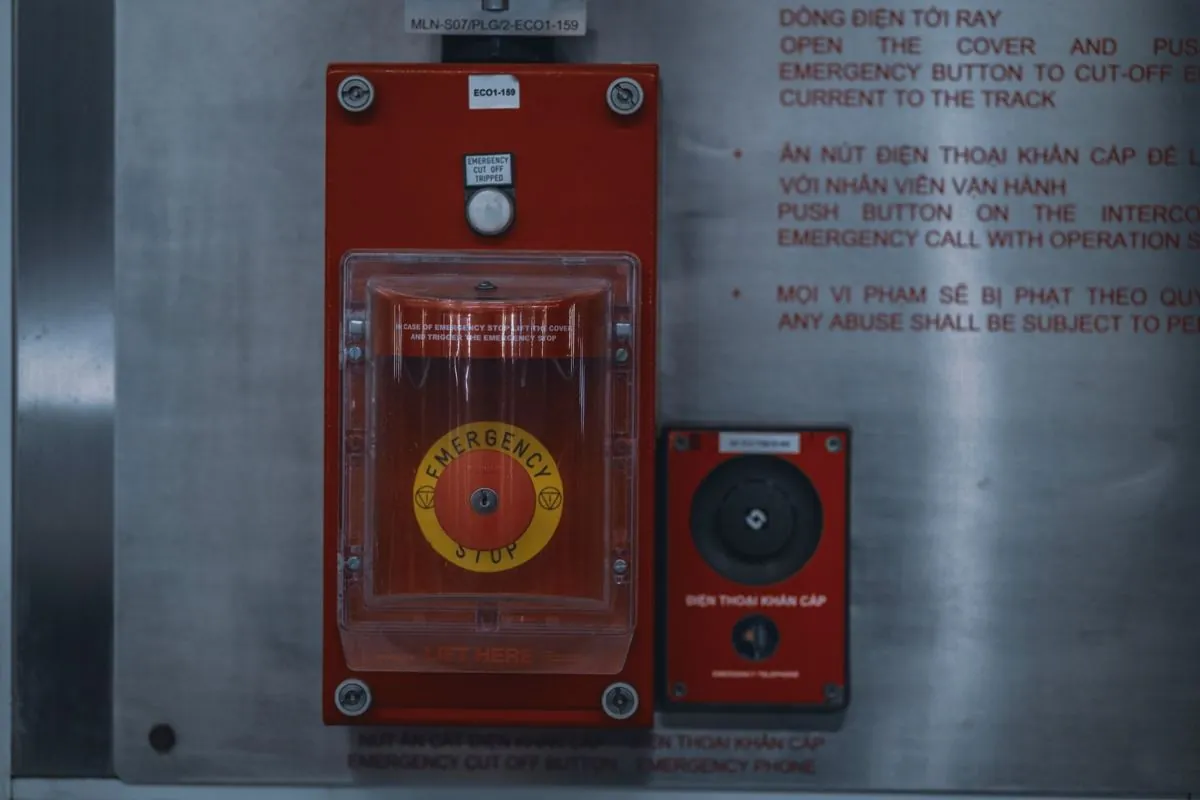
An automation built properly would rather stop than guess, and that isn't a technical detail, it's a choice at the root of everything
The reason is simple. A person who doesn't understand a document sets it aside and asks, while a program, if nobody told it to stop, carries on and writes something anyway, and that something goes into your business software wearing the same face as good data
First, the checks on the data before anything is written
The first net sits before the writing. The system reads the document, pulls out the fields, and puts them through a sieve before it touches your business software
The questions are the ones a careful person would ask. Does the supplier exist in the records, is the VAT number formally valid, does the date make sense for the period, does the item code really exist, was this document already recorded last week
They are dull checks to explain, and that is exactly why they work, because they don't ask the system to understand, they ask it to verify
Second, the balances, which are the best net there is
When a document holds numbers that have to agree with each other, you have the strongest check there is, and it costs you nothing because the document hands it to you already
The lines have to add up to the net amount, the net amount plus the tax has to make the total, and if it doesn't add up then something was read wrong, without anyone needing to know what
That is why reading an invoice is much safer than reading any other document. An invoice carries its own verification with it
Third, the thresholds above which a signature is needed
Not every case deserves the same treatment, and this is a decision that belongs to you, not to the supplier
Say, and the numbers here are made up, that you decide it like this. Under five hundred euros the system records on its own, above that it prepares the entry and asks for confirmation
The same reasoning applies to variances. A list price that moves a little goes through, one that triples doesn't, because the system doesn't know that one euro twenty turned into twelve euros is one zero too many, but the threshold rule stops it all the same
Where that line falls has to be written down in black and white before the rollout, not discovered afterwards
Fourth, the log of everything that was done
The log is the net that reassures people most, and oddly it is the one that gets talked about least
An automation keeps track of what it looked at, what it wrote, when, and on which document, so when something doesn't add up you aren't guessing, you open the list and see what happened that morning
It works the other way round too. With a log you also know what the system didn't touch, and that is nearly always the thing you are after when there is a problem, because it tells you where not to look
Work done by hand almost never has this log, which is why, when a figure comes out wrong, piecing it back together is a treasure hunt through people's memories
Fifth, the assisted rollout, the least technical net and the most useful
The first nets are rules, this one is a way of starting. At the beginning the system works but asks for confirmation, and a person sees what it would have done before it does it
It is needed because odd cases aren't found in meetings, they are found while working, and in the first stretch something always comes out that nobody had mentioned. Not out of bad faith, but because someone who has done a job for years no longer tells the rule apart from the habit
When the confirmed cases start repeating themselves identically, the system gets more freedom on the simple ones and keeps the confirmation on the ones that matter. Going step by step here isn't caution for its own sake, it is the way to find the holes while they still cost little, and the guide on the first day the automation really works goes through it at more length
Why an automatic mistake is different from a human one
A person makes mistakes at random, when they are tired or distracted, and each mistake stands on its own, while a system never gets distracted, but if the rule is wrong that rule is wrong on every case, and one mistake becomes a thousand in a row before anybody notices
The nets are there for exactly that. Not to make the system infallible, but to make sure that when it gets something wrong you find out straight away and not at the end of the quarter, and the guide on how many mistakes an automation makes goes into it in more depth
What to ask before you sign
If you are weighing up an automation, the useful questions are few and concrete. Which checks it runs before it writes, what it does when a check fails, where the stopped cases end up and who looks at them, what stays written down about every run, and which cases it never handles on its own
The answers to those questions tell you far more about a supplier than any presentation, and they are things decided together before the rollout, when we look at the process and write the rules down